Vernon Home Renovation Contractor: Expert Kitchen & Bath Upgrades
Transform Your Space: Essential Guidelines for Successful Home Renovation Undertakings
A home renovation project can feel overwhelming but also incredibly satisfying. It requires meticulous planning and wise decisions to transform a space effectively. Understanding the essential steps, from defining goals to selecting materials, can significantly influence the outcome. The journey to a successful renovation is laden with hurdles and openings. What key factors must one consider to ensure a smooth process and a satisfying result? The answers may catch you off guard.
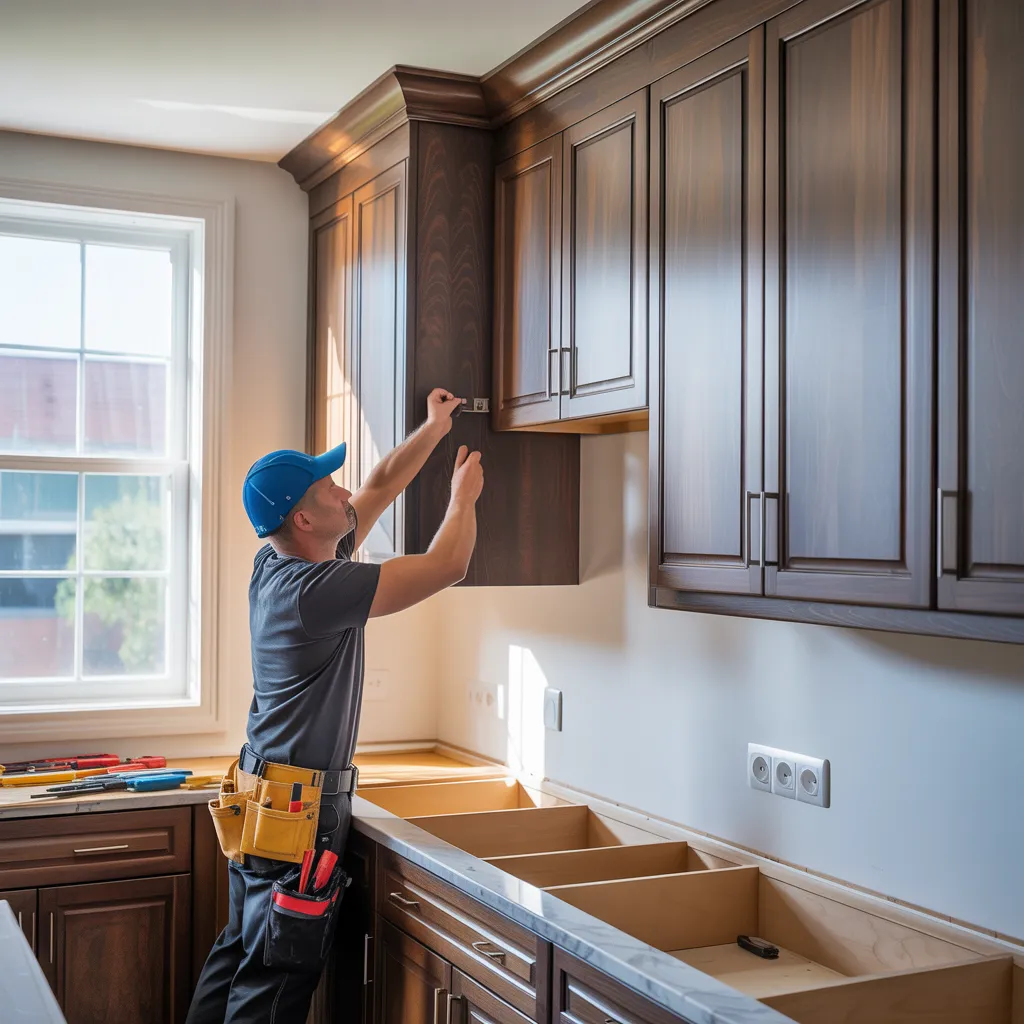
Establishing Your Renovation Objectives and Priorities?
In what way can homeowners properly identify their renovation goals and priorities? learn more To begin, they should contemplate their requirements and desires, considering how the renovation will enrich their lifestyle. Examining the current functionality of the space is crucial; identifying parts that require improvement or modification will help define objectives. Homeowners could find value in listing specific aims, such as increasing space, enhancing aesthetics, or increasing energy efficiency.
Speaking with family members can offer diverse perspectives, ensuring that the renovation aligns with everyone's expectations. Investigating current design trends and innovations can also generate ideas and improve priorities.
Eventually, homeowners should rank their goals depending on necessity, budget, and potential return on investment. By distinguishing between essential renovations and those that are simply desirable, they can establish a focused plan that serves both their immediate needs and long-term aspirations. This organized approach will facilitate a smoother renovation process.
Develop a Practical Budget for Your Home Renovation
Establishing a realistic budget for a home renovation is critical for a successful project. Homeowners should first examine the overall financial situation, determining how much they can comfortably invest. This involves not only the costs linked to materials and labor but also potential unexpected expenses that may surface during the renovation.
To develop a complete budget, it is prudent to research the typical costs linked to specific renovations in the local market. This includes obtaining multiple quotes from suppliers and contractors to ensure competitive pricing.
Furthermore, allocating a contingency fund—commonly roughly 10-20% of the total budget—can deliver a safety net for unpredicted expenses.
Choose the Correct Materials for Your Home Renovation
Picking the right materials for a home renovation is essential for achieving both aesthetic appeal and durable durability. Homeowners should evaluate the unique requirements of their space, including climate, usage, and maintenance. For example, hardwood flooring might offer elegance but may not handle high moisture areas like bathrooms.
Materials like bamboo or reclaimed wood provide green alternatives that resonate with eco-conscious homeowners. Additionally, opting for materials that complement the existing architecture can enhance the overall design.
Price is another crucial consideration; top-grade materials may necessitate a more significant starting investment but can save money in the long run by minimizing repair and replacement requirements.
In the end, detailed research and consultation with experts can assist homeowners in picking materials that harmonize beauty, functionality, and sustainability, delivering a effective renovation that fulfills both their vision and practical expectations.
Create an Effective Timeline for Your Home Renovation
After choosing the right materials for a home renovation, creating an effective timeline is vital for ensuring a smooth process. A carefully planned timeline allows homeowners manage expectations and assign resources effectively. To commence, it is important to outline each phase of the renovation, from design and permitting to construction and finishing touches. Establishing realistic deadlines depending on the complexity of the project will help prevent unnecessary delays.
Home renovators should include potential setbacks, such as climate fluctuations or material availability, and build in buffer time to accommodate these issues. Consistently evaluating and adjusting the timeline as the project progresses makes certain that the renovation remains on track. Additionally, clear communication with any involved parties about deadlines and responsibilities can avert misunderstandings. By thoughtfully organizing and adhering to a timeline, homeowners can support a more organized renovation process, ultimately culminating in a successful transformation of their living spaces.
Identifying the Right Contractors for Your Renovation
Finding the right professionals for a home renovation commences with clearly defining project needs. Once the scope is established, investigating local contractors becomes crucial to secure quality and reliability. Ultimately, interviewing multiple candidates helps homeowners to evaluate qualifications and compatibility before making a final determination.
Specify Your Project Requirements
How can homeowners ensure they select the right professionals for their renovation projects? The initial step is to clearly establish their project requirements. Homeowners should examine the extent of their renovation, recognizing which areas demand attention and what specific changes they desire. By creating a detailed plan, they can express their requirements more effectively. This includes defining the budget, timeline, and desired outcomes.
Moreover, homeowners should evaluate the unique skills needed for their renovation, such as plumbing, electrical work, or design expertise. Possessing a thorough understanding of these demands allows homeowners to locate professionals who specialize in the required areas, guaranteeing a smoother collaboration and a successful renovation process. Clear communication of project expectations is essential for aligning with the right experts.
Explore Area Professionals
When homeowners set out on a renovation project, conducting thorough research on local professionals is crucial to guarantee they select the right experts for the job. This involves identifying builders, architects, and designers who specialize in the exact type of renovation required. Homeowners should utilize online resources, such as reviews and ratings, to assess the reputation of potential professionals. Additionally, seeking recommendations from friends or family can provide valuable insights. It's necessary to verify credentials, licenses, and insurance to confirm the professionals' legitimacy. By assembling a list of qualified candidates, homeowners can feel confident in their choices, setting the foundation for a successful renovation process and ultimately transforming their living spaces to meet their vision and needs.
Conduct Multiple Candidate Interviews
Which experts will optimally bring a homeowner's renovation vision to life? To find the right candidates, homeowners should interview multiple professionals. This process helps them evaluate expertise, communication styles, and creativity. It is essential to prepare a list of questions that address specific project needs and expectations. During interviews, candidates should supply references and examples of previous work to demonstrate their capabilities. Homeowners should also seek clarity on timelines, budgets, and any potential challenges. Evaluating answers assists in determining the best fit for the project. Ultimately, a thorough selection process secures that the chosen professional aligns with the homeowner's vision, creating a successful and satisfying renovation experience.
Handle Typical Renovation Challenges
Residential remodeling projects frequently introduce obstacles that can interrupt even the most carefully developed strategies. Allocating funds for surprise expenditures, overseeing renovation schedules efficiently, and working through authorization necessities effectively are crucial abilities for every property owner. Tackling these typical challenges can result in a more rewarding and fulfilling renovation experience.
Preparing Your Budget for Surprise Expenses
Although thorough planning is critical, surprise costs typically occur during home renovations, making budgeting a crucial aspect of the process. Homeowners should designate at least 10-20% of the total renovation budget as a contingency fund to cover unanticipated expenses. Common surprises include structural issues, outdated wiring, or plumbing concerns that may not be visible until work begins. To properly manage these costs, it is essential to conduct a detailed inspection of the property before starting the project. Also, maintaining open communication with contractors and suppliers can help identify potential issues early on. By forecasting and planning for unexpected costs, homeowners can lessen stress and achieve a smoother renovation experience while staying within their financial budget.
Managing Project Deadlines Efficiently
Unanticipated costs can often disrupt not only spending plans but also timelines during house renovation projects. Effective management of project timelines requires thorough preparation and communication. Setting up a clear schedule with realistic deadlines helps establish guidelines for all parties involved. Regular check-ins with construction teams and providers can reduce delays by addressing potential issues early. Additionally, prioritizing tasks and identifying critical path elements can expedite the renovation process, ensuring that essential work progresses without unnecessary interruptions. Homeowners should also include buffer time into their schedules to accommodate unforeseen challenges, such as material delays or weather conditions. By maintaining flexibility and proactive oversight, homeowners can keep their projects on track, decreasing stress and improving the overall renovation experience.
Handling Permit Obligations Efficiently
How can homeowners achieve a smooth renovation process while working through the often complex permit requirements? Understanding local regulations is crucial. Homeowners should initiate by researching zoning laws and building codes applicable to their project. Working with local authorities or hiring a knowledgeable contractor can provide insights into necessary permits and documentation. Creating a checklist assists in tracking application deadlines and required inspections. Moreover, submitting complete and accurate paperwork decreases delays. Homeowners should also remain proactive, maintaining clear communication with permit officials to address any questions or concerns in a timely manner. Anticipating potential challenges, such as appeals or additional requirements, increases the likelihood of a smooth renovation experience. By following these steps, homeowners can navigate the permitting process with efficiency and effectiveness.
Add Individual Touches to Give Your Home Character
What defines a home as truly unique? Personal touches that reflect the homeowner's character and way of living play a crucial role. Adding custom artwork, family photographs, or heirlooms can transform a space into a personal sanctuary. Homeowners may also decide to infuse their style through color schemes, choosing hues that align with their preferences, or by sourcing exceptional furnishings that tell a story.
Moreover, adding handmade or locally crafted items can strengthen the authenticity of a home. For example, a bespoke piece of furniture or a handwoven rug can act as a focal point. Outdoor spaces also present opportunities for personalization; distinctive garden designs or curated patio arrangements enable a seamless blend of indoor and outdoor aesthetics.
Eventually, adding personal touches assures that a home not only addresses functional needs but also embodies the essence of its residents, creating a warm and inviting atmosphere.
FAQ
What's the Best Way to Handle Unexpected Expenditures While Undergoing Remodeling?
To address unexpected costs during renovation, one should preserve a contingency budget, focus on essential expenditures, communicate with contractors regularly, and explore flexible financing options, making sure financial stability is sustained throughout the renovation project.
Which Permits Are Required for My Renovation Project?
Most renovation projects typically require building permits, electrical permits, plumbing permits, and sometimes zoning permits. Local regulations vary, so consulting the local building department ensures compliance and avoids potential issues during the renovation process.
Can I Continue Living in My House During the Renovation Process?
Homeowners are able to remain in their residences throughout renovation work, but this depends on the extent of the project. Extensive work may impact day-to-day living, prompting the suggestion to relocate temporarily for wellbeing and security. Maintaining clear dialogue with contractors is crucial.
How Do I Choose a Contractor?
To choose a contractor, one should review credentials, examine reviews, verify references, and get multiple quotes. Effective communication of project expectations and timelines is critical, ensuring alignment between both parties for a successful renovation experience.
What Steps Should I Take if I'm Unhappy With the Outcome?
Should dissatisfaction occur, he should first communicate concerns directly with the contractor. Record all specific problems, seek resolution through discussion, and, if required, consider mediation services or seek legal counsel to manage lingering disputes successfully.